What Is Deism?
Deism is the view that God created the universe, but that human beings primarily come to know God through reason and the created world—not through special divine revelation. The word deism comes from the Latin deus, meaning “God”.
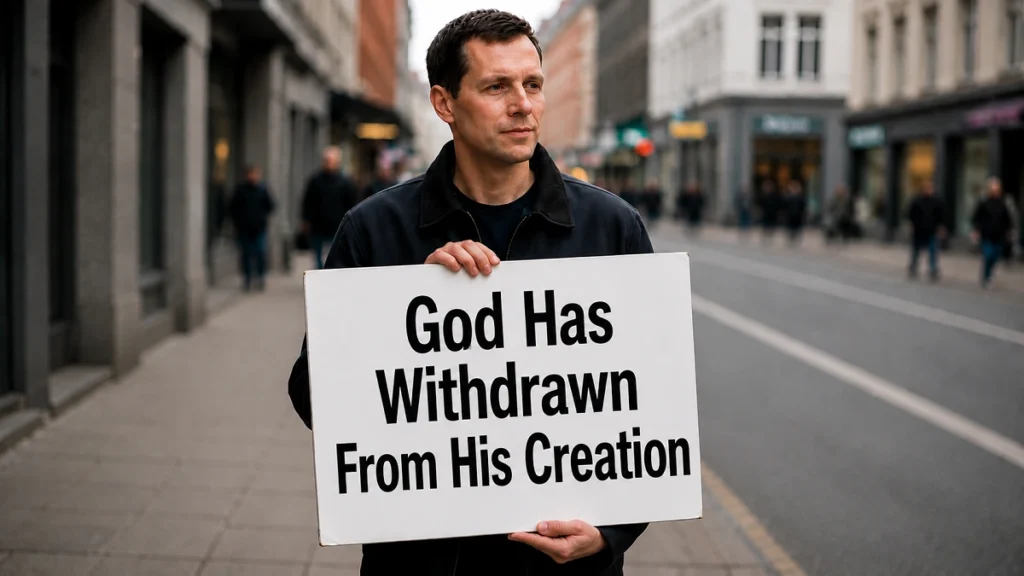
Deism therefore acknowledges a Creator and differs from atheism in this respect. But in classical deism, God is often understood as a Creator who, after bringing the universe into existence, left it to operate according to the natural laws he established. For this reason, the God of deism is sometimes compared to a watchmaker who makes a watch, sets it in motion, and then leaves it to run on its own.
According to The American Heritage Dictionary, deism is the belief that “God created the universe and established rationally comprehensible moral and natural laws but does not intervene in human affairs through miracles or supernatural revelation.”
Short Answer: Deism is the belief in a God who created the universe but does not reveal himself or intervene in the world in the way the Bible describes. Deism therefore acknowledges a Creator but rejects or limits central biblical teachings about divine revelation, miracles, and God’s intervention in human history. The Bible, by contrast, teaches that God not only created the world but continues to sustain his creation, has revealed himself to humanity, and acts to accomplish his purpose.
In some respects, deism is therefore closer to the Bible’s view of God than atheism, materialism, agnosticism, and pantheism. Deism acknowledges that the universe has a Creator and can point to the order and regularity of nature as evidence of his wisdom and power. Here there is an important point of agreement with the Bible.
But a crucial difference emerges when we ask what God has done after creation. Has he withdrawn and left the world to itself? Or does the Creator remain involved with his creation? Has he revealed himself to humanity? Can he intervene in history, perform miracles, and answer prayers?
The Bible gives a clear answer to these questions. Jesus said:
“My Father works until now, and I work.” (John 5:17, Interlinear Bible)
The God of the Bible, then, is not merely the first cause of the universe’s existence. He is presented as a God who continues to act. In this article, we will therefore examine the basic claims of deism and ask whether the idea of a God who created the world but no longer intervenes in it is consistent with reason and with the picture of God presented in Scripture.
What Do Deism and the Bible Agree On?
Deism and the Bible do not necessarily begin with completely different views of God. On the contrary, there are several important points on which they come close to agreement.
Deism acknowledges that the universe has a Creator and that this Creator is God. God is understood as the one who brought the universe into existence, and the order and regularity of nature can be regarded as evidence of his wisdom and power.
Here we find a clear parallel with the Bible. It begins with the words:
“In the beginning God created the heavens and the earth.” (Gen. 1:1)
The Bible also points to creation itself as something that can tell us about the Creator. Paul writes:
“For the unseen things of Him from the creation of the world are clearly seen, being understood by the things made, both His eternal power and Godhead.” (Rom. 1:20, Interlinear Bible)
A person therefore does not need a biblical text in order to recognize that nature points beyond itself. According to Paul, creation can tell us something about God’s power and divine nature. On this point, there is significant common ground between deism and the Bible: Nature can give us genuine knowledge of God.
But this raises the crucial question: How much can nature tell us?
Nature can testify that there is a Creator and can tell us something about his power and wisdom. But can it tell us who God is, what his purpose for humanity is, why sin and death exist, or how human beings can have a relationship with him?
Here deism and the Bible begin to part ways. The Bible teaches not only that God has made himself known through creation, but also that he has spoken and revealed his will to humanity.
The question, then, is not whether reason and nature can tell us something about God. They can. The crucial question is whether they can tell us everything God wants humanity to know about him.
Has God Withdrawn?
The classical deistic view often compares God to a watchmaker. A watchmaker makes a watch, sets it in motion, and then does not need to keep intervening in its operation. In the same way, the universe is thought to be capable of operating according to the natural laws God established without his continued intervention.
But even if the universe operates according to fixed natural laws, it does not necessarily follow that God has withdrawn from it. Natural laws and divine action do not exclude one another. The question, therefore, is not merely whether nature follows regular patterns, but whether there is reason to believe that the Creator continues to sustain his creation and act in relation to it.
The Bible gives a clear answer. Jesus said:
“My Father works until now, and I work.” (John 5:17, Interlinear Bible)
Jesus therefore does not present creation as a completed act after which God withdrew. God had indeed completed the original work of creation, but he had not ceased to act.
The same idea is expressed when Paul spoke to the Athenians about the God who created the world. He said:
“For in Him we live and move and exist.” (Acts 17:28)
Here God is presented not merely as humanity’s original Creator, but as the one on whom our continued existence depends. The Creator has therefore not left his creation to exist independently of him.
The Bible goes even further. It describes a God who throughout history has dealt with human beings, guided them, judged, saved, and carried out his purpose. The entire biblical account—from Abraham and Moses to the prophets and Jesus—is based on the premise that God not only can act in the world but actually has done so.
Here the difference between classical deism and the Bible becomes clear. They can agree that the universe has a Creator and operates according to an order he established. But the Bible rejects the idea that this Creator then left the world to itself.
The God of the Bible is not merely the one who created the universe. He also continues to sustain his creation and act within it.
Has God Revealed Himself?
Deism places great emphasis on what human beings can know about God through nature and reason. As we have already seen, the Bible also recognizes that creation can tell us something about the Creator. But the Bible claims that this knowledge is not the whole story. God has also chosen to reveal himself to humanity.
There is no logical contradiction between believing in a God who created the universe and believing in a God who can communicate with his creatures. On the contrary, deism’s own view of God raises an interesting question: If God had the power and wisdom to create the universe and humanity, why should he be unable to make his will known to the human beings he created?
The Bible claims that God has done exactly that. Hebrews begins with these words:
“In many parts and in many ways of old, God spoke to the fathers in the prophets; in these last days He spoke to us in the Son.” (Heb. 1:1–2, Interlinear Bible)
According to the Bible, then, God has not remained silent. He spoke through the prophets, and his revelation reaches its culmination in Jesus Christ.
This is important because nature alone can tell us only part of what we need to know about God. We can look at the universe and conclude that there is a powerful and intelligent Creator. But nature does not tell us why humanity is subject to sin and death, what God requires of us, or how the relationship between God and humanity can be restored.
If human beings were limited entirely to their own reason, they would therefore be left to find answers to these questions on their own. History shows how widely people have differed in their answers about God, humanity, and the meaning of life. Reason is valuable, but by itself it cannot tell us what God thinks or desires unless God makes it known.
That is why the question of revelation is crucial. If God exists and wants humanity to know him and his purpose, there is nothing unreasonable about his communicating with us. The crucial question, then, is whether there is reason to believe that he has actually done so.
The Bible claims that the answer is yes. It presents itself not merely as human thoughts about God, but as the account of a God who himself took the initiative to make himself known.
Deism is therefore right that nature can tell us something about God. But the Bible claims that God has not left humanity with nature and reason alone. He has also spoken.
Can God Perform Miracles?
Deism’s view of God is closely connected with its traditional skepticism toward miracles. If the universe operates according to fixed natural laws and God has left it to function according to those laws, miracles may seem unnecessary or impossible.
But here we need to distinguish between two different questions. One is whether nature normally operates according to regular and predictable laws. The other is whether the Creator is therefore unable to act in the world he himself created.
If God created the universe and the laws by which it operates, there is no logical reason to assume that those laws would prevent him from acting within his own creation. Nor does a miracle have to be understood as the suspension or destruction of natural laws. It can be understood as a special action by a cause that is not itself limited to the normal processes we observe in nature.
The Bible is based on the premise that God can act in this way. It describes events that are not explained as the result of nature’s ordinary course but as special acts of God. These include Israel’s deliverance from Egypt, Jesus’ healings, and above all Jesus’ resurrection from the dead.
Paul makes the resurrection a central issue for the Christian faith:
“But if Christ has not been raised, your faith is futile.” (1 Cor. 15:17)
It is worth noticing how strong this statement is. The Christian faith does not ask the reader to regard Jesus’ resurrection as an insignificant religious story. On the contrary, Paul says that if it did not happen, the very foundation of the faith collapses.
The question of miracles therefore cannot be settled simply by deciding in advance that God never intervenes in the ordinary course of nature. If someone has already decided that miracles are impossible, every account of a miracle will necessarily be rejected, regardless of what evidence may be presented.
The more fundamental question is therefore: If God truly is the Creator of the universe, why should it be impossible for him to act within the universe he created?
The Bible does not present a God who is bound by his creation and unable to intervene. It presents the order of nature as God’s work while also presenting God as free to act according to his purpose.
Belief in natural laws does not, therefore, in itself rule out the possibility of miracles. Only the prior assumption that the Creator cannot or will not act within his creation does so.
Does God Hear Prayer?
The question of prayer highlights another difference between deism and the Bible’s view of God. If God created the world but then left it to operate without his intervention, what sense does it make to ask him for help?
Prayer assumes more than simply that God exists. It assumes that God hears human beings, cares about them, and can act in response to their prayers. If God never intervenes in the course of the world, prayer may perhaps express gratitude or respect, but it becomes difficult to expect God actually to answer a prayer.
The Bible presents God very differently. The psalmist says:
“To You who hears prayer, all flesh comes.” (Ps. 65:2, Interlinear Bible)
Jesus also taught his disciples to pray to God and to expect him to hear them. He said:
“Ask, and it will be given to you; seek, and you will find; knock, and it will be opened to you.” (Matt. 7:7, Interlinear Bible)
This does not mean that God necessarily gives human beings everything they ask for. An answer to prayer depends not merely on human desires but on God’s will and wisdom. But the Bible’s very invitation to pray is based on the fact that God is not distant or inaccessible. He can hear human beings and act in relation to them.
This shows how significant the difference between deism and the Bible’s view of God becomes in practice. The question is no longer only how the universe began. It is about what kind of relationship can exist between the Creator and the human beings he created.
If God has withdrawn from his creation, human beings may recognize that he exists, but they cannot expect him to answer, guide, or help them. The Bible, by contrast, presents God as someone people can turn to and as one who wants them to seek him.
The God of the Bible, therefore, is not merely a Creator whom human beings can know something about. He is a God with whom they can have a relationship.
Deism and Humanity’s Need for Salvation
The difference between deism and the Bible becomes especially clear when we ask whether human beings need God to intervene in order to save them. If God has withdrawn from his creation, humanity must ultimately do without a saving act from God.
The Bible, however, describes the human condition as a problem we cannot solve on our own. According to Genesis, the first humans chose to disobey God’s command, and sin and death thereby entered the human world. Paul writes:
“Sin entered the world through one man, and death through sin.” (Rom. 5:12, Interlinear Bible)
According to the Bible, humanity’s problem is therefore not merely a lack of knowledge. Nor is it a problem that can be solved by reason or moral improvement alone. Sin has brought humanity into a condition in which we need something we cannot provide for ourselves: reconciliation with God and deliverance from sin and death.
It is precisely here that God’s intervention becomes central to the Bible’s message. God did not leave humanity to find its own way out of this condition. John writes:
“For God so loved the world, that He gave His only begotten Son, that everyone believing into Him should not perish, but have everlasting life.” (John 3:16, Interlinear Bible)
According to the Bible, Jesus is therefore not merely a religious teacher who tells people how they should live. His coming is an act of God. God sent his Son because humanity needed salvation.
Here the difference with deism becomes fundamental. If God neither reveals himself nor intervenes in human history, there can be no divine act of salvation. But if the Bible’s description of the human condition is correct, precisely such an act is necessary.
This also means that the question of deism goes far beyond a philosophical discussion about whether God continues to affect the universe. It touches the very heart of the Bible’s message. The message of Scripture is not that human beings can find their own way back to a distant Creator through reason, but that God himself has acted to open the way to him.
Deism and the Bible can therefore agree that the universe has a Creator. But the Bible goes much further: The Creator has not abandoned humanity. He has revealed himself, and he has intervened to save us.
Conclusion
Deism shares an important starting point with the Bible: The universe has a Creator. The order and regularity of nature can point to a God of power and wisdom, and the Bible itself says that God’s attributes can be perceived through what has been created.
But from this point on, deism and the Bible take different paths. Deism emphasizes what human beings can know about God through nature and reason, while the Bible describes a God who not only created the universe but has also made himself known and acted in human history.
This difference affects nearly every aspect of how we understand God. If God has withdrawn from his creation, we cannot expect divine revelation, miracles, answers to prayer, or a saving act from God. The Bible, by contrast, is based on the premise that all these things are possible because the Creator remains involved with what he has made.
The crucial question, therefore, is not only whether there is a God who created the universe, but also whether this God has made himself known to humanity. If the biblical account is true, God has not remained silent. He has spoken through the prophets, acted in history, and sent Jesus Christ.
Deism’s view of God is therefore too limited when compared with the picture of God presented in Scripture. The God of the Bible is not a distant Creator who has abandoned his creation. He is the Creator who continues to sustain his creation, reveals his will, hears prayer, and acts to accomplish his purpose.
Related Articles
Explore More
© 2026 Skriften.dk