What Is the Nature of God’s Kingdom?
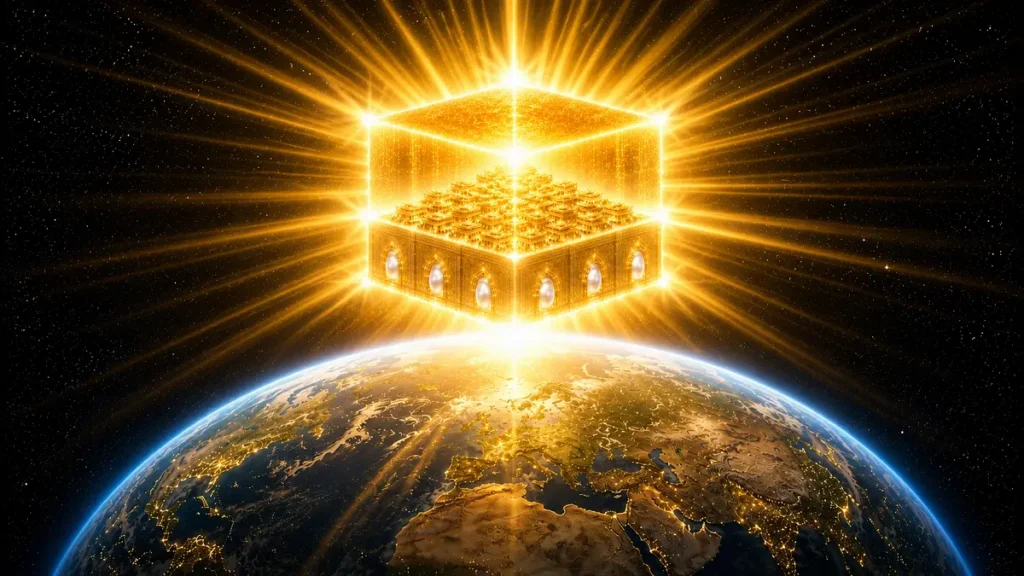
What is the nature of God’s Kingdom? Is it an earthly or a heavenly Kingdom? This question has been debated among Christians for centuries, and there are different views about whether God’s Kingdom is heavenly or earthly. Some envision a purely earthly Kingdom with kings of flesh and blood. Some believe it to be the Kingdom of Israel, while others see it as a Kingdom that belongs exclusively in heaven. But what does the Bible show?
The Bible describes God’s Kingdom as a heavenly Kingdom that has its origin with God. At the same time, it shows that this Kingdom will exercise its rule over the earth and fulfill God’s purpose for mankind. When all the biblical evidence is considered together, it becomes clear that God’s Kingdom has its origin in heaven but rules over the earth. In this article, we will therefore examine what the Bible teaches about the nature of God’s Kingdom and how these two aspects fit together.
The Nature of God’s Kingdom
The Bible describes God’s Kingdom as a heavenly Kingdom. This does not mean that the Kingdom’s rule is limited to heaven, but that it has its origin with God and was not established by humans. Jesus emphasized this distinction when he said to the Jewish leaders:
“Jesus answered, My kingdom is not of this world. If My kingdom were of this world, My servants would have fought that I might not be delivered up to the Jews. But now My kingdom is not from here.” (John 18:36, Interlinear Bible)
The prophet Daniel confirms the same truth:
“Because you saw that the stone was cut out of the mountain without hands.” (Dan. 2:45, Interlinear Bible)
This brief statement contains an important point: the stone—which in Nebuchadnezzar’s dream symbolizes God’s Kingdom—is cut out of the mountain without hands, showing that it is not a human work but has its origin with God. This agrees with Jesus’ words in John 18:36, where he says that his Kingdom is not of this world.
Jesus emphasized that his Kingdom does not have its origin in this world. Just as Jesus himself had come from heaven, his Kingdom also had its origin with God. He therefore repeatedly emphasized that he did not originate from this world:
“And He said to them, You are from below; I am from above. You are from this world; I am not from this world.” (John 8:23, Interlinear Bible)
“For I have come down out of Heaven, not that I should do My will, but the will of Him who sent Me.” (John 6:38, Interlinear Bible)
The apostle Paul also described the nature of God’s Kingdom as heavenly when he wrote:
“And the Lord will deliver me from every wicked work and will save me for His heavenly kingdom; to whom be the glory forever and ever. Amen.” (2 Tim. 4:18, Interlinear Bible)
These passages show that God’s Kingdom is not an earthly kingdom originating from human power or political systems. It has its origin with God. The Bible therefore describes it as a Kingdom that is not of this world and was not established by human hands.
Heavenly Life for Kingdom Heirs
The Bible not only shows that God’s Kingdom has its origin in heaven. It also shows that those who are to inherit the Kingdom must undergo a transformation. Paul explains that humans of flesh and blood cannot inherit God’s Kingdom:
“And I say this, brothers, that flesh and blood is not able to inherit the kingdom of God, nor does corruption inherit incorruption.” (1 Cor. 15:50, Interlinear Bible)
Earlier in the same chapter, Paul describes the transformation that must take place:
“The first man was out of earth, earthy. The second man was the Lord out of Heaven. Such the earthy man, such also the earthy ones. And such the heavenly man, such also the heavenly ones. And as we bore the image of the earthy man, we shall also bear the image of the heavenly man.” (1 Cor. 15:47–49, Interlinear Bible)
Here Paul contrasts the earthly man, Adam, with the heavenly man, Jesus Christ. Those who are to inherit God’s Kingdom will not remain humans of flesh and blood but will be transformed so that they can bear the image of the heavenly man.
When Jesus was about to leave his disciples and return to his Father, he promised that they would later be with him:
“Do not let your heart be troubled; you believe in God, believe also in Me. In My Father’s house are many dwelling places. But if it were not so, I would have told you. I am going to prepare a place for you! And if I go and prepare a place for you, I am coming again and will receive you to Myself, that where I am you may be also.” (John 14:1–3, Interlinear Bible)
Jesus thus promised his disciples that they would be where he himself would be. After his resurrection, Jesus ascended to heaven and sat down at God’s right hand. When he promised to prepare a place for his disciples so that they could be where he was, his words therefore point to a place with him in the heavenly realm.
This agrees with other passages in the Bible where the hope and calling of believers are described as heavenly:
“For our citizenship is in Heaven, from where we also wait for a Savior, the Lord Jesus Christ.” (Phil. 3:20, Interlinear Bible)
“For this reason, holy brothers, called to be partakers of a heavenly calling, consider the Apostle and High Priest of our confession, Christ Jesus.” (Heb. 3:1, Interlinear Bible)
The fact that those who inherit God’s Kingdom receive heavenly life therefore further emphasizes the heavenly nature of the Kingdom. God’s Kingdom is not an ordinary earthly kingdom in which humans of flesh and blood take political power. Those who receive a share in the Kingdom must first be transformed from earthly beings into heavenly beings.
A Heavenly Kingdom Ruling Over Earth
The Bible describes God’s Kingdom as a heavenly Kingdom. When the prophet Daniel saw God’s Kingdom being established, he saw the Son of Man come before the Ancient of Days and receive dominion, glory, and kingship. This took place in heaven—not on earth (Dan. 7:13–14).
This agrees with Nebuchadnezzar’s dream. The stone that symbolizes God’s Kingdom was cut out of a mountain “without hands”:
“Because you saw that the stone was cut out of the mountain without hands…” (Dan. 2:45, Interlinear Bible)
The fact that the stone was cut out without hands shows that God’s Kingdom does not have a human origin and is not established through human involvement. The stone has its origin outside the earthly kingdoms represented by the image.
Jesus confirmed the same thing when he taught his disciples to pray: “Let Your kingdom come. Let Your will be done, as in Heaven, also on the earth.” (Matt. 6:10, Interlinear Bible) God’s Kingdom has its origin in heaven, but its rule and blessings will extend over the whole earth. In Nebuchadnezzar’s dream, the stone became a great mountain that filled the whole earth (Dan. 2:35).
The apostle Paul also shows that the hope of believers is connected with a heavenly Kingdom. He wrote:
“And the Lord will deliver me from every wicked work and will save me for His heavenly kingdom; to whom be the glory forever and ever. Amen.” (2 Tim. 4:18, Interlinear Bible)
The Bible therefore consistently points to God’s Kingdom as a heavenly Kingdom, even though it will one day exercise its rule over the whole earth.
God’s Purpose for the Earth
The fact that God’s Kingdom is heavenly does not mean that God has abandoned his original purpose for the earth. The Bible shows that the earth was created for a specific purpose:
“For so says Yahweh, the Creator of the heavens—He is God—the One forming the earth and making it; He established it. He did not create it a waste, but He formed it to be inhabited.” (Isa. 45:18, Interlinear Bible)
God’s purpose for the earth therefore does not change because his Kingdom is heavenly. On the contrary, God’s Kingdom is the means through which his will is to be carried out on earth. This agrees with Jesus’ prayer that God’s will be done “as in Heaven, also on the earth.”
The Bible therefore describes a future in which the earth is not abandoned or destroyed, but in which God’s purpose for it is fulfilled:
“The righteous shall inherit the earth and live on it forever.” (Ps. 37:29, Interlinear Bible)
It is therefore important to distinguish between where God’s Kingdom is located and what the Kingdom’s rule will accomplish. The fact that the Kingdom is heavenly does not mean that all people must leave the earth and go to heaven. We should remember that the Bible speaks of two different kinds of inheritance. Some will inherit God’s Kingdom (1 Cor. 15:50), while others will inherit the earth (Ps. 37:29). The Bible’s promises concerning the earth therefore stand alongside its teaching about a heavenly Kingdom. There is no contradiction between the two: God’s heavenly Kingdom will carry out his will on earth.
Brief Summary
The Bible shows that the nature of God’s Kingdom is heavenly. It is not an earthly kingdom established by humans, but a heavenly Kingdom that has its origin with God. Jesus said that his Kingdom is not of this world, and Daniel’s prophecy likewise shows that God’s Kingdom is not established by human hands.
Those who are to inherit God’s Kingdom cannot remain humans of flesh and blood either. They must be transformed from earthly beings into heavenly beings and receive heavenly life. This further emphasizes the heavenly nature of the Kingdom.
But the fact that the nature of God’s Kingdom is heavenly does not mean that the earth is unimportant. The Bible shows that the Kingdom’s rule will extend over the whole earth, bringing about God’s will on earth as it is in heaven. There is therefore no contradiction between a heavenly Kingdom of God and the Bible’s promises of a future on earth.
It is important to distinguish between the two kinds of inheritance mentioned in the Bible: some will inherit God’s Kingdom, while others will inherit the earth. God’s Kingdom is thus heavenly in nature, but it will rule over the earth and fulfill God’s purpose for it.
Related Articles
Explore More
© 2026 Skriften.dk